
"Chinese coffee varieties"
6000 article(s) found

The History of Coffee in China the Biography of Coffee in Zhukula Village, Yunnan Province
When it comes to the history of Chinese coffee, we have to mention Yunnan Dali Zhukula Coffee, which plays a vital role in the history of Chinese coffee. The ancient coffee forest in Zhukula Village is a unique variety of small-grain coffee in Yunnan. It is very rare and of excellent quality. It can be called a living fossil of Chinese coffee. We went to explore the century-old coffee legend of Zhukula village. Zhu Kula, located in Yunnan Province

Traditional Chinese medicine doctors talk about coffee: Yin deficiency, damp-heat constitution to drink less, taking traditional Chinese medicine should be 2 hours apart.
Professional barista communication Please pay attention to the coffee workshop (Wechat official account cafe_style) full-bodied coffee, which has been renamed by WHO as non-carcinogenic food, but anti-cancer food, what do modern Chinese medicine think? Since coffee is a foreign species and there are no relevant records in ancient books, modern traditional Chinese medicine doctors usually classify traditional Chinese medicine according to the characteristics of traditional Chinese medicine, such as "four qi, five flavors, five colors, meridian tropism".

Chinese people often go to convenience stores to sell coffee, and foreign countries report that the pace of domestic coffee craze is accelerating.
Professional coffee knowledge exchange more coffee bean information please follow the coffee workshop (Wechat official account cafe_style) China's coffee boom has accelerated the consumption growth rate of 25% last year. According to Mintel, China's internal coffee market was worth 64.7 billion yuan ($9.6 billion) last year, up 7.5% from a year earlier, when the growth rate was 6%. Expected

Can coffee enema lose weight and cure cancer? Stop it! The beauty salon unexpectedly carried out this business illegally.
Nature gave birth to a wide variety of coffee beans, in the processing of human wisdom, the achievement of a variety of coffee drinks. In China, coffee beans are also listed in Volume 6 of "Chinese Materia Medica" (editorial Board of "Chinese Materia Medica" of the State Administration of traditional Chinese Medicine, Shanghai Science and Technology Publishing House, September 1999, first edition). However, the human imagination does not stop there. Recently, Xiacheng

Throughout the World Coffee History-understanding the Origin of Chinese Coffee History
In modern society, coffee is an indispensable part of people, coffee culture has long been popular in Europe, it can be said to be very mature, but in China? When was coffee introduced into China? How long has it been in China? Throughout the history of the development of Chinese coffee culture, we may be able to find the pace of coffee, the ancient Arab culture invading the birthplace of tea culture in the world. Coffee

Throughout the World Coffee History-understanding the Origin of Chinese Coffee History
In modern society, coffee is an indispensable part of people, coffee culture has long been popular in Europe, it can be said to be very mature, but in China? When was coffee introduced into China? How long has it been in China? Throughout the history of the development of Chinese coffee culture, we may be able to find the pace of coffee, the ancient Arab culture invading the birthplace of tea culture in the world. Coffee

German post-90s come to China to start a Chinese roasted coffee to enter the Chinese market
Professional baristas please follow the coffee workshop (Wechat official account cafe_style) there are several German post-90s, they are from Hanover, Germany, Fabian (Fabian), 26, and Sino-German mixed-race Isabel (Isabel), 23, Fabian's brother Flemming (Fleming) and 23-year-old friend Constain (Constantine). They arrived in 2016.

Chinese Academy of Tropical Agricultural Sciences sets up Coffee Innovation Center in Yunnan
On March 6, the Coffee Innovation Center of the spice and Beverage Research Institute of the Chinese Academy of Tropical Agricultural Sciences was established in Pu'er City, Yunnan Province. The establishment of the center is an important measure for the institute to promote the joint and cooperation of tropical agricultural research and promotion based on the development needs of Yunnan coffee industry.

Boutique coffee vs. commercial coffee
A classic advertising slogan for Nestle coffee, which is very delicious, is popular all over the country, which may make a generation full of longing and yearning for Nestl é. At that time, the taste of coffee and coffee in the hearts of Chinese people may be almost equated with the taste of Nestle.
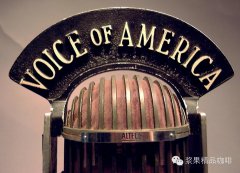
VOA's report on Chinese Coffee
I also think of what Chris, one of the bosses of first Coffee, said yesterday: the reason why Chinese coffee practitioners have low average status, low salary and low quality is caused by misconceptions in their own country. How can the salary of a barista be high if the cafe is not profitable? It's not like a cafe in Australia selling thousands of cups a day! The baristas there certainly make a lot of money from his words until now.

When was coffee introduced into the history of Chinese cultural development?
As China becomes richer, coffee culture is springing up in the land of tea drinkers. Coffee consumption is growing at an astonishing 15% a year, compared with the global average of 2%, according to the London-based International Coffee Organization. This partly stems from the reality that China's starting point is relatively low. The average Chinese drink only three cups of coffee a year, compared with 500 to 7 percent for Americans.

A Survey of Chinese Coffee Culture on the introduction of Coffee in Hainan Island in 1898
1.1 the age of the early introduction of coffee in Hainan Island is indisputably expressed as 1908 in many local records, agricultural history, agricultural history and various books and periodicals in China. However, the remains of the century-old coffee trees in Hainan Island are still there, and the descendants of the ancient trees are still there. Therefore, the actual existence of the century-old coffee trees unequivocally rewrote that the earliest introduction of coffee in Hainan Island should be in 1898. 1.2

The Development of Coffee in China the Biography of Coffee in Zhukula Village, Yunnan Province
When it comes to the history of Chinese coffee, we have to mention Yunnan Dali Zhukula Coffee, which plays a vital role in the history of Chinese coffee. The ancient coffee forest in Zhukula Village is a unique variety of small-grain coffee in Yunnan. It is very rare and of excellent quality. It can be called a living fossil of Chinese coffee. We went to explore the century-old coffee legend of Zhukula village. Zhu Kula, located in Yunnan Province

Chinese Coffee Culture
In China, people like drinking coffee more and more. The coffee culture that follows is full of every moment of life. People are tasting coffee at home, in the office, or on various social occasions: it is gradually associated with fashion and modern life. Coffee houses everywhere have become good places for people to talk, listen to music and rest, and coffee has gradually developed into a culture.
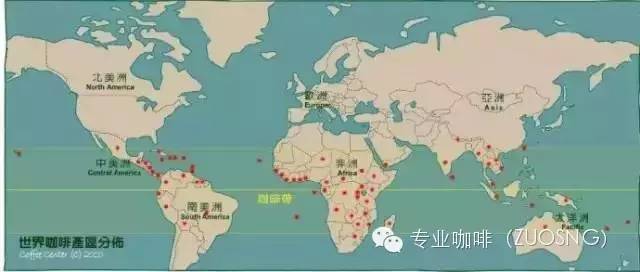
The Historical Progress of Coffee in China: how did Coffee enter China?
The history of coffee introduced into China is not long, and it was not until 1884 that coffee was first planted in Taiwan. In the mainland, the earliest coffee cultivation began in Yunnan. At the beginning of the 20th century, French missionaries brought the first batch of coffee saplings to Binchuan County, Yunnan Province, and coffee began to be grown on the mainland. In terms of natural conditions, many parts of our country, Latin America, South America, India and India
Coffee culture introduction Chinese coffee
According to historical records, planting in Taiwan was successful for the first time in 1884. Since then, coffee trees have been planted in China. Coffee planting in Daliu began in Yunnan Province. In 1902, a French missionary named Tian introduced seeds from India and Gong, and planted them successfully in Binchuan County, Yunnan Province, located in Zhukula, a tributary of Jinsha River. Commercial cultivation of Yunnan coffee began in 1985, but the development was slow.

Chinese mainland selected by Starbucks to launch the top coffee experience
Four types of Starbucks Coffee Starbucks has devoted the highest enthusiasm to coffee in the past 43 years. We purchase, roast and provide customers with top quality coffee beans all over the world, and are committed to using every cup of handmade coffee to inject our heart. pass on the classic quality of the brand to every customer. The launch of Starbucks selection is exactly what we have brought to more Chinese coffee lovers.

Ecuadorian Coffee Grind Variety Characteristics Producing Area Flavor Description Taste Manor Introduction
The port of Guayaquil is Ecuador's largest seaport. It faces the Pacific Ocean and backs to Mount Santa Ana. The nearby island of Pune serves as a natural barrier to protect the harbour from storms. There is a dock to the south, more than 900 meters long. In the harbor, ships from different parts of the world are moored, flying various flags. The port railway leads to Quito, the capital, and a series of highways connect Quito with other cities in the country.
The Chinese name of Panama Geisha is "Rose Summer". Is it the same coffee as "Geisha"?
For the exchange of professional baristas, please follow the coffee workshop (Wechat official account cafe_style) Colombian coffee production situation Colombia has always been a large coffee grower, once contributed 10% of the total global coffee production, is an important producer of bulk commercial Arabica coffee. The existing coffee growing areas are generally divided.